Facilitating Theory of Change co-development: what does it look like in practice?
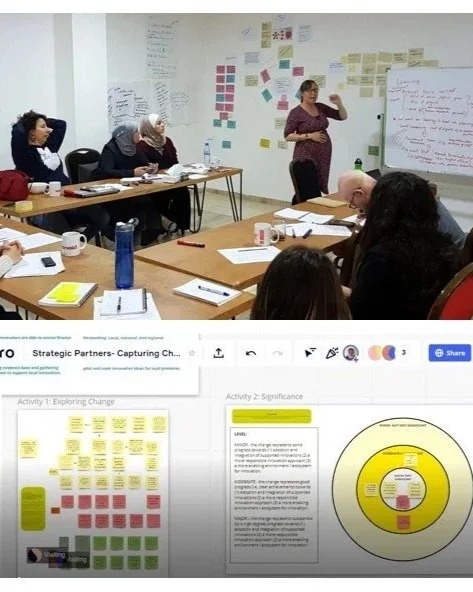
A Theory of Change is not a diagram. It is a shared thinking process that helps people be clear about what change they want, why that change matters, and how they believe it will happen. When done well, it becomes the backbone of monitoring, evaluation, research and learning, not a one-off donor requirement.
At merl, we work alongside organisations, movements and partnerships to develop Theory of Change processes that are collaborative, reflective and grounded in real experience. Some clients come to us with an early idea that needs shaping. Others already have a strategy but want to sharpen the logic and make it easier to learn from their work.
Our tried and tested approach is adaptable to each client, but it usually follows a set of clear steps.
1. Clarifying the purpose
We begin by understanding why the organisation wants to develop or revisit its Theory of Change.
Sometimes the aim is to support a new strategy or funding proposal. Sometimes it is about bringing partners together to reflect on how change really happens. In other cases, teams want a clearer foundation for their monitoring, evaluation and learning systems. At this stage we agree practical questions such as who should be involved, what decisions the Theory of Change should support, and what sits within the scope of the process.
2. Starting with the change that matters
Rather than starting with activities, we begin with the change the organisation hopes to see in the world. Together with teams and partners, we explore questions such as:
What would meaningful change look like for the communities or systems you work with?
How would you know that change is happening?
Why is this change important now?
These conversations help ensure the Theory of Change is grounded in purpose, not just in programme delivery.
3. Exploring the context and the problem
Before mapping pathways, we spend time understanding the wider context. This can include reviewing existing research and evidence, reflecting on previous programme learning, and discussing how different stakeholders understand the issue. Where possible, we bring in perspectives from partners, communities or people with lived experience. This step helps teams move beyond assumptions and recognise the complexity of the systems they are working within.
4. Mapping pathways of change
Once there is clarity about the change and context, we begin to map how change might hypothetically happen. Working backwards from the long-term change, we explore:
the changes that need to happen along the way
the strategies or activities that might contribute to those changes
the relationships between different parts of the system
The aim is not to create a perfect model, but to develop a clear and plausible pathway that reflects how the organisation believes its work contributes to change.
5. Making assumptions visible
Every Theory of Change rests on assumptions. These may relate to how people behave, how institutions respond, or how wider political or social dynamics influence change.
A key part of the process is making these assumptions explicit. When teams name what they believe needs to be true for their strategy to work, it becomes easier to test those assumptions through learning and evidence.
6. Connecting the Theory of Change to learning
A Theory of Change becomes most useful when it informs monitoring, evaluation, research and learning. Together with clients, we identify the changes that matter most to track and the key questions the organisation wants to learn about over time. This helps ensure that monitoring, evaluation, research and learning systems are focused on learning and decision making, rather than collecting data that no one uses.
7. Bringing it together
At the end of the process, we produce both a visual Theory of Change and a short narrative summary. The visual helps communicate the overall logic of the work. The narrative provides the detail behind the diagram, including context, assumptions and areas where further learning is needed.
Both are designed to be practical tools that teams can use in strategy discussions, programme planning and reporting.
Why work with merl on your Theory of Change?
Many organisations already have a Theory of Change diagram somewhere in a document. What they often need is a thoughtful process that helps people reflect together on how change really happens.
Our role is not simply to produce a framework. We facilitate conversations that bring together different perspectives, challenge assumptions and connect strategy with learning. With over twenty years of experience supporting organisations across humanitarian response, human rights, climate justice and migration, we bring practical experience of participatory and qualitative approaches to monitoring, evaluation and learning.
Most importantly, we believe that strong strategies emerge through collective reflection. Our approach creates the space for teams, partners and communities to think critically together about change and how to achieve it. This is at the heart of our ethos at merl: learning better together.
If you are thinking about developing or revisiting your Theory of Change, we would be happy to explore how we could support the process.